
Plan your study in Ireland
from where you live.
Tell us where you live, your citizenship and when you want to start. You see the programmes recorded for that intake and their status, and only guidance that has been checked against an official source.
IrelandStudyVisa.com is an independent study-planning service. It is not the Government of Ireland or any institution.
Your options
Living in United States · September 2027
A dedicated site for people living in United States is not open yet, so your options are shown here.
Programmes recorded for September 2027
No programme is recorded for September 2027 yet. An intake lists a programme only once its institution's availability has been recorded.
Application and visa guidance
Living-expense funds for a one-year course
For a course of one academic year, Immigration Service Delivery requires evidence that you have immediate access to at least €10,000, its estimated cost of living for a student for one academic year, and ready access to €10,000 for each further year in addition to that year's fees. Bank statements must show six months of activity; credit cards are not accepted as evidence.
Source: Information on student finances (Immigration Service Delivery), checked 12 October 2026
Tuition paid before the visa application
Where the course fees are less than €6,000, the fees must be paid in full to the college before you apply for the visa. Where they are more than €6,000, at least €6,000 must be paid before you apply.
Source: How to apply for a long term study visa (Immigration Service Delivery), checked 12 October 2026
Documents for a long-stay study visa
Immigration Service Delivery lists: passport (valid at least 12 months after arrival), photographs, private medical insurance, an application letter, any previous visa refusals, the letter of acceptance for a full-time course of at least 15 hours a week, an explanation of any gaps in education, proof of fee payment, evidence of academic ability, evidence of English, finances with six months of statements, and the Summary of Finances form.
Source: How to apply for a long term study visa (Immigration Service Delivery), checked 12 October 2026
Registering after you arrive
Students from outside the EU, UK and Switzerland staying more than 90 days must register with Immigration Service Delivery and receive an Irish Residence Permit. The registration fee is €300.
Source: Frequently asked questions for students (Immigration Service Delivery), checked 12 October 2026
Working while you study
Immigration Service Delivery allows students to work up to 20 hours a week during term, and up to 40 hours a week from June to September and from 15 December to 15 January.
Source: Frequently asked questions for students (Immigration Service Delivery), checked 12 October 2026
Add your citizenship above to see guidance for your profile. Where and how you apply depends on your nationality and country of legal residence. Check the current rules on irishimmigration.ie or ask for a profile review.
Choose your intake
Universities and programmes, intake by intake.
Irish institutions start programmes at different points in the year. Pick an intake to see the programmes recorded for it, with the institution and the published fee.
Compare all intakesHow it works
- 01
Where you live, and your citizenship
Both matter for an Ireland study visa, so they are asked separately. Living somewhere is never treated as citizenship.
- 02
Programmes for your intake
Each intake lists only the programmes recorded against it, with their status. An unconfirmed intake is labelled as an enquiry, not a promise.
- 03
Checked guidance, then a review
Fees, entry rules and visa guidance appear with their official source and the date they were checked. Anything unverified is left out.
What runs now, and what to aim for.
Your target intake
The earliest realistic start from today.A second start for many master's and research programmes.
3 institutions · 3 programmes listed
Start planning JanuaryNot sure? Answer two questions
Your target intake
Target the September intake — about 11 months to prepare
- You have roughly 11 months, which is enough time for a test, transcripts, an offer letter and the visa.
- September is the main intake, so it carries the widest choice of courses and institutions.
Planning guidance only. Confirm intake dates, deadlines and fees with the institution.
Everything you need,
nothing you don't.
Figures come with their source and the date they were checked.
Institutions in the directory
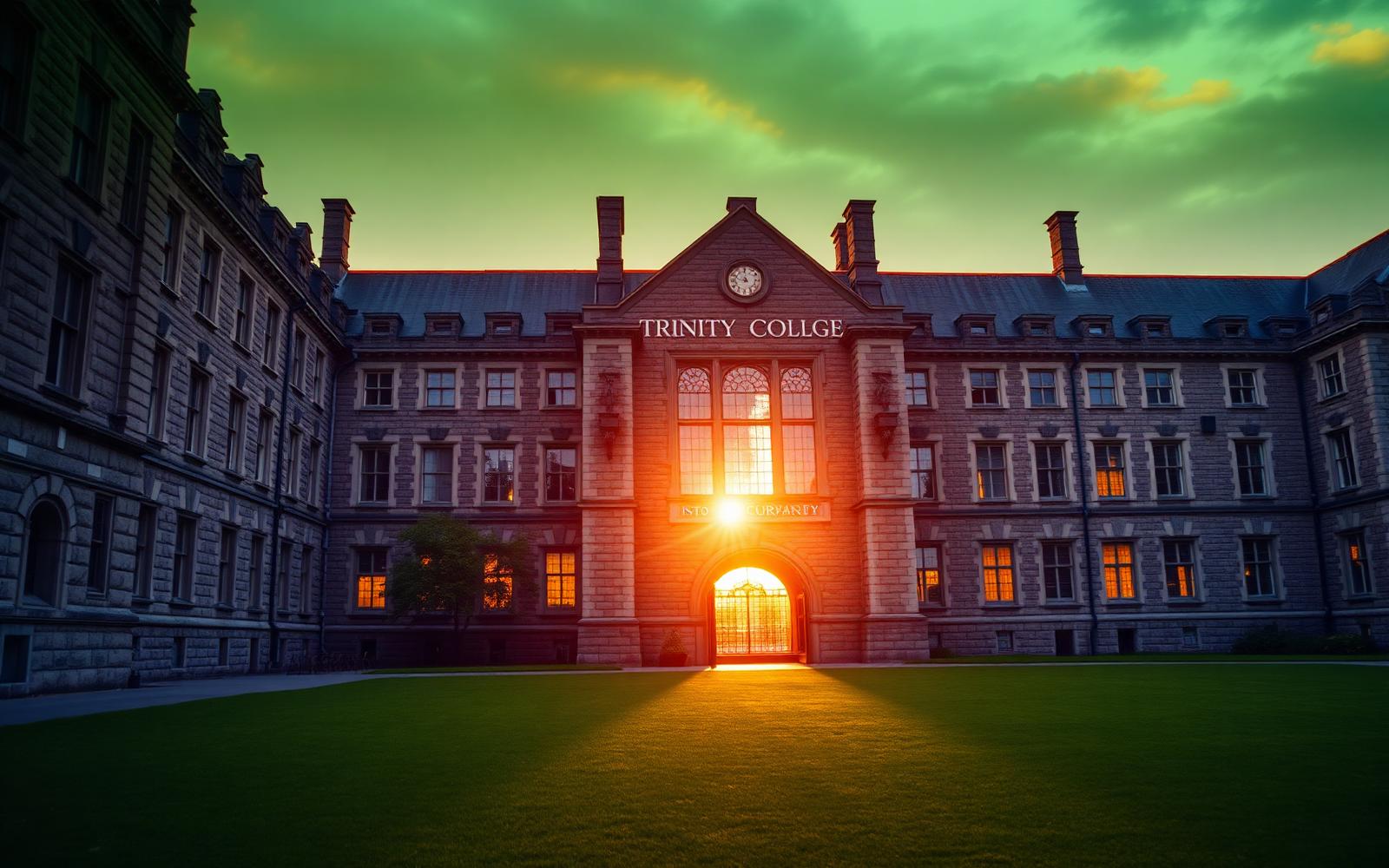
Universities and colleges across Dublin, Cork, Galway, Limerick and beyond.

Libraries, labs and societies on campus.

Rent, transport and day-to-day costs, planned in EUR.
The 10-stage journey
Profile preparation
Assemble academic records, English test plan, and budget.
Course & university shortlist
Match courses to your goals, budget and eligibility.
University application
Submit applications with SOP, references and transcripts.
Offer & acceptance
Accept an unconditional offer and secure a place.
Programmes in the directory
Tuition and living, planned in EUR.
Start from a programme's published fee, then build a first-year budget you can edit. Official visa minimums are shown separately, and only once checked against irishimmigration.ie.
Open the planner- TuitionThe programme's published fee, with its source
- LivingYour own estimate: rent, food, transport
- Visa minimumsShown only when verified
- One-off costsFlights, deposit, insurance
Funding paths worth checking
Country sites
Questions people ask first.
Can I apply to Ireland after HSC (12 years of education)?+
Yes. Most Irish universities accept HSC with strong grades for direct entry into Bachelor programmes; some may require an International Foundation year.
What English test scores do Irish universities require?+
Typically IELTS 6.5 overall (no band under 6.0). Health, teaching and law programmes often require IELTS 7.0.
When are the main intakes?+
September is the primary intake for almost all programmes. Some Masters offer a January intake, and some PhDs accept rolling starts.
Do I need to pay tuition before applying for the visa?+
Ireland typically requires tuition (or the first instalment) to be paid before the visa is lodged, along with an updated Letter of Acceptance.